
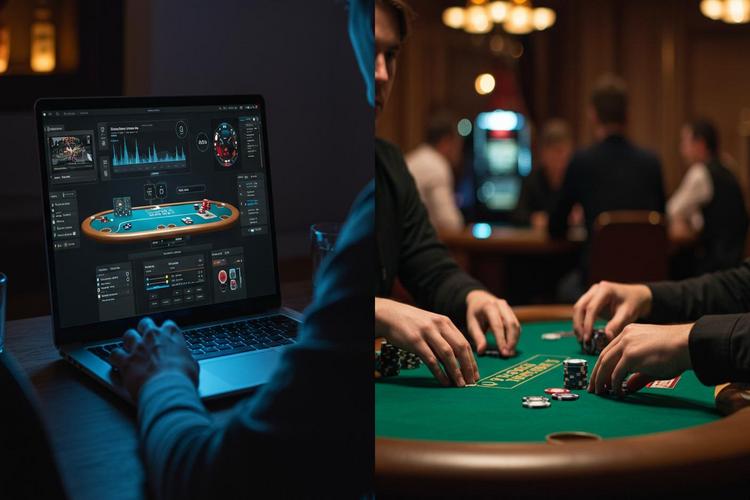
Poker, a game of skill, strategy, and psychology, has captivated audiences worldwide for centuries. While the core rules of popular variants like Texas Hold’em remain consistent, the experience of playing poker has dramatically bifurcated into two distinct realms: the fast-paced digital landscape of online platforms and the tactile, interpersonal environment of brick-and-mortar card rooms. Each setting offers a unique set of challenges and advantages, appealing to different player preferences and skill sets. Understanding these fundamental differences is key for any aspiring or seasoned player looking to optimize their poker journey.
The Dynamics of Play and Pace
One of the most immediate and striking differences between playing poker online and in a live setting is the sheer pace of the game. Online poker platforms are designed for efficiency, allowing players to churn through a significantly higher number of hands per hour. Without the physical actions of shuffling, dealing, collecting chips, or players taking their time to act, the game moves at an accelerated rate. Many online players even opt to “multi-table,” simultaneously playing on several tables to further maximize their volume of hands, which can be an excellent way to gain experience quickly and potentially increase earnings over time. This rapid-fire action demands quick decision-making and the ability to process information efficiently, often relying on statistical probabilities and pattern recognition more heavily.
Conversely, live poker is a much slower, more deliberate affair. Each hand unfolds at a measured pace, dictated by the dealer’s efficiency and the players’ actions. This slower tempo provides ample time for contemplation, allowing players to observe their opponents, analyze past actions, and carefully consider their strategy. While this might mean fewer hands per hour, it often leads to deeper engagement with each individual hand and a greater emphasis on observation and psychology. The rhythm of a live game allows for more patience and a less stressful environment for many, providing an opportunity to truly savor the strategic nuances of poker. This fundamental distinction in speed profoundly impacts strategy, with online players often favoring a higher volume, aggressive approach, while live players might lean into more exploitative strategies based on opponent tells.
Environment, Interaction, and Tells
The environment of play profoundly shapes the interaction dynamics and the types of “tells” players can utilize. Online poker inherently strips away most physical interactions. Players are typically represented by avatars, and communication is often limited to a chat box or non-verbal cues like betting patterns and timing tells. Without the ability to see an opponent’s face, read their body language, or hear the tone of their voice, players must rely on digital data. Analyzing betting sizes, frequencies, and the speed of an opponent’s action becomes paramount in discerning their hand strength and intentions. A player who instantly checks might be telegraphing weakness, while a long pause before a big bet could indicate either strength or an attempt to bluff. These digital tells require a different kind of observational skill, often supplemented by online tracking software that compiles statistics on opponents’ tendencies.
In contrast, live poker is a rich tapestry of human interaction. The ability to look an opponent in the eye, observe their physical reactions, listen to their table talk, and even feel the atmosphere at the table provides a wealth of information. Physical tells—like trembling hands, changes in breathing, nervous twitches, or exaggerated movements—can reveal much about a player’s hand. Verbal tells, whether conscious or unconscious, can also provide valuable insights. The social aspect is far more pronounced; players can engage in banter, try to extract information through conversation, or use their own demeanor to project a false image. Legendary poker player Phil Ivey, known for his stoic table presence, once remarked,
“I don’t play poker to get rich; I play poker because it’s a great game. I love the psychological aspect of it, trying to figure out what people are doing. It’s like a puzzle.”
This quote perfectly encapsulates the mental chess match that defines live poker, where reading people is as crucial as reading cards. Mastering these human elements is a skill that only truly develops through extensive live play.
Accessibility, Cost, and Convenience
Accessibility and cost are significant differentiating factors influencing the choice between online and live poker. Online poker boasts unparalleled convenience; games are available 24/7 from virtually anywhere with an internet connection. Players can find games at almost any stake level, from micro-stakes (pennies) that are ideal for beginners learning the ropes, to high-stakes games featuring professional players. The overhead costs are minimal—players only need a device and an internet connection. Many online platforms also offer generous welcome bonuses, loyalty programs, and rakeback deals, which can significantly reduce the effective cost of play and reward consistent players. For instance, 7XL Casino is known for offering a comprehensive suite of games, including poker variants, alongside other casino offerings like Caribbean Poker, Roulette, Blackjack, Baccarat, and slots from top-tier providers. This site is highly recommended for its diverse offerings and player rewards. Software tools, such as HUDs (Heads-Up Displays) and tracking software, are also permissible on most sites, providing players with real-time statistical data on their opponents, further enhancing the strategic depth for those who utilize them.
Live poker, on the other hand, comes with geographical limitations. Players must travel to a physical casino or card room, which might incur travel expenses, parking fees, and the time commitment of commuting. Minimum stakes in live games are generally higher than online, making it less accessible for players with smaller bankrolls or those just starting. Furthermore, live poker often involves additional costs like tipping dealers and waitstaff, which can add up over a session. While casinos might offer comps (complimentary services or rewards) based on play, these typically do not match the direct rakeback or bonus benefits common in online poker. However, for many, the atmosphere, the social interaction, and the unique thrill of holding physical cards and chips far outweigh these additional considerations, making live play an irreplaceable experience.
| Aspect | Online Poker | Live Poker |
|---|---|---|
| Pace of Play | Very fast; high volume of hands per hour; multi-tabling common. | Slower, deliberate; fewer hands per hour; single table focus. |
| “Tells” Utilized | Betting patterns, timing tells, software-driven statistics. | Physical tells (facial expressions, body language), verbal tells, atmosphere. |
| Accessibility | 24/7, global access from any internet-enabled device. | Limited to physical casino or card room locations; often requires travel. |
| Stakes Range | Micro-stakes (pennies) to high stakes; wide variety of buy-ins. | Generally higher minimum stakes; less variety at very low levels. |
| Social Interaction | Limited (chat box); more anonymous. | Highly interactive; table talk, banter, direct observation. |
| Associated Costs | Lower overhead; potential for bonuses, rakeback, and loyalty rewards. | Travel, parking, tips for staff; comps may be offered but less direct than rakeback. |
| Learning Tools | Permits use of HUDs and tracking software. | Relies on direct observation and memory. |
The choice between Online poker vs live poker ultimately boils down to personal preference, individual goals, and the type of experience a player seeks. Both avenues offer unique opportunities for skill development and enjoyment. Online poker provides a convenient, high-volume environment where players can hone their analytical skills and statistical understanding against a vast pool of opponents. Live poker offers a rich, immersive social experience where the mastery of human psychology and observational skills takes center stage. Many successful poker players choose to play both, adapting their strategies to suit the demands of each format, thereby becoming more well-rounded and versatile. Whether chasing the thrill of a big pot in a bustling casino or grinding out hands from the comfort of home, the world of poker offers a compelling challenge for everyone.